
The #1 Resource on Dental Phobia.
Join 100,000+ Dental Phobics who have found help through advice


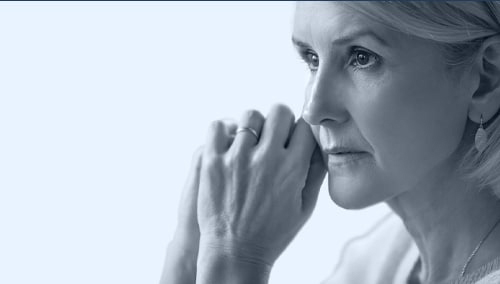
Are you afraid of the dentist?
If you answered ‘yes’ to this question, it might be comforting to learn you are not alone.Fear can take many forms, from slight nervousness to all-out panic. For mild sufferers, visiting the dentist is an unpleasant experience. But for a significant minority of acute phobics, anxiety can be intense enough to deter visiting altogether. Every day we speak to nervous patients who are terrified to tears by the mere thought of booking a dental appointment.
Our research shows that 17% of the population suffer from a level of dental phobia to an extent where they completely avoid the dentist to their own detriment and suffering.
For this group, years of avoidance and missed appointments can have severe consequences for both oral and mental health. It’s not uncommon for dentists to encounter patients who endure years of pain, gum disease, loose or missing teeth and ill-health before finally confronting their fear. Some even turn to self-treatment rather than overcoming their anxiety.
 53%
of the UK population suffers from fear or anxiety when visiting the dentist.
53%
of the UK population suffers from fear or anxiety when visiting the dentist.
This isn't just a British thing - being scared of the dentist is a worldwide problem and the numbers are similar wherever you go.
Results from a 2018 Dental Phobia survey

How Can Dentalphobia.co.uk Help
Dentalphobia.co.uk was set up to give help and support to those who need it most, and to help dental phobics overcome their fears before reaching a critical point.
- The site features guides and resources on dental phobia. We’ll take a look at the causes and consequences, as well some of the strategies you can use to overcome your fears.
- Dentalphobia.co.uk also administers a certification scheme for dentists with experience treating phobic patients. You can visit our dentist-finder page to search for a Dental Phobia Certified practitioner in your area.
Congratulations on taking this first, crucial step. Confronting your fear may not be easy, but acting now will save you a lot of future misery.


 UNDERSTANDING YOUR PHOBIA
Phobia, fear or anxiety - strong adverse reactions can take many forms. Understanding the nature and causes of your dental phobia is the first vital part of the puzzle that can help free you from the prison of fear.

Phobia vs Fear
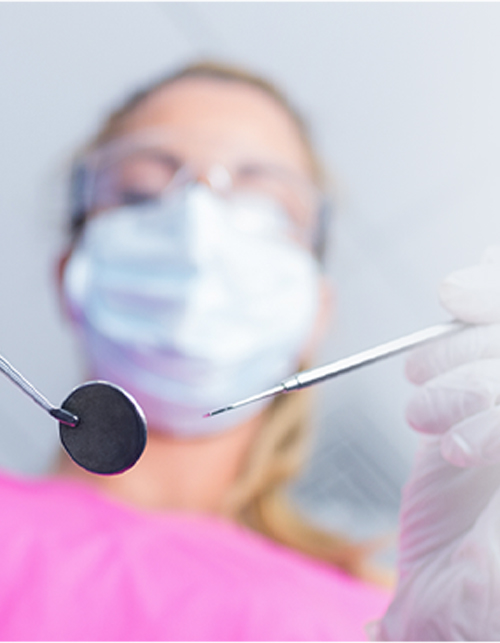
Believe it or not, fear is a perfectly healthy emotion. It is a fundamental human survival instinct arising naturally in the nervous system, and without it, we would have difficulty avoiding danger. We are all familiar with its symptoms - raised heart rate, sweaty palms, nausea and a sense of panic to name but a few.
Phobias evoke much the same response. However, there’s a crucial difference.
With a phobia, the sense of fear is usually out of proportion to the danger posed. When we feel terrified of harmless house spiders, distant thunderstorms (or friendly dentists), our worries could be described as irrational.
This is the point at which fears become phobias.
Find out moreCauses of dental phobia
Dental phobia can have many causes. Most often, it is rooted in an unpleasant past experience, but occasionally phobias can form from other factors. Some of the most common causes include:
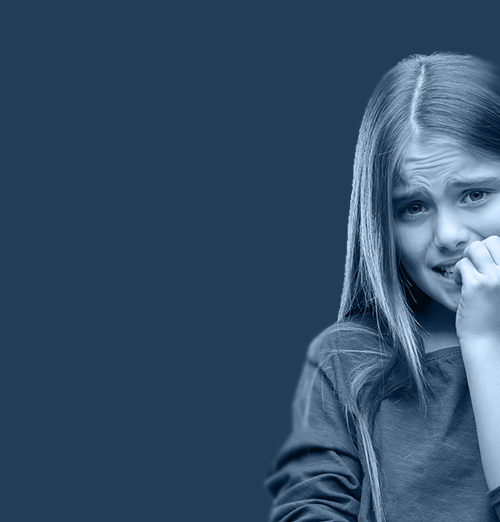
EXPERIENCES Children have little understanding of what is happening when visiting the dentist for the first time, and it’s easy for lasting, unpleasant associations to form.

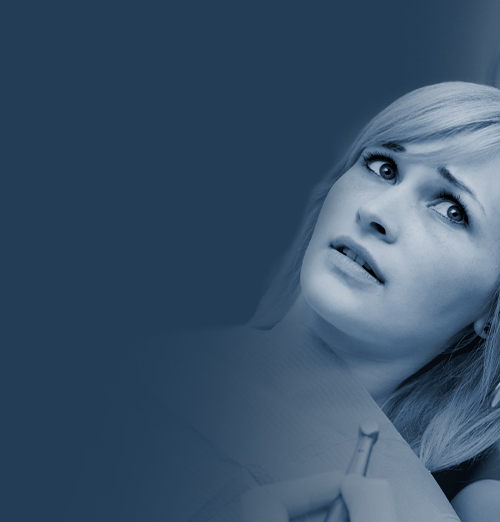
METHODS Those whose last visited the dentist decades ago may remember attitudes, equipment and treatments which are no longer used.
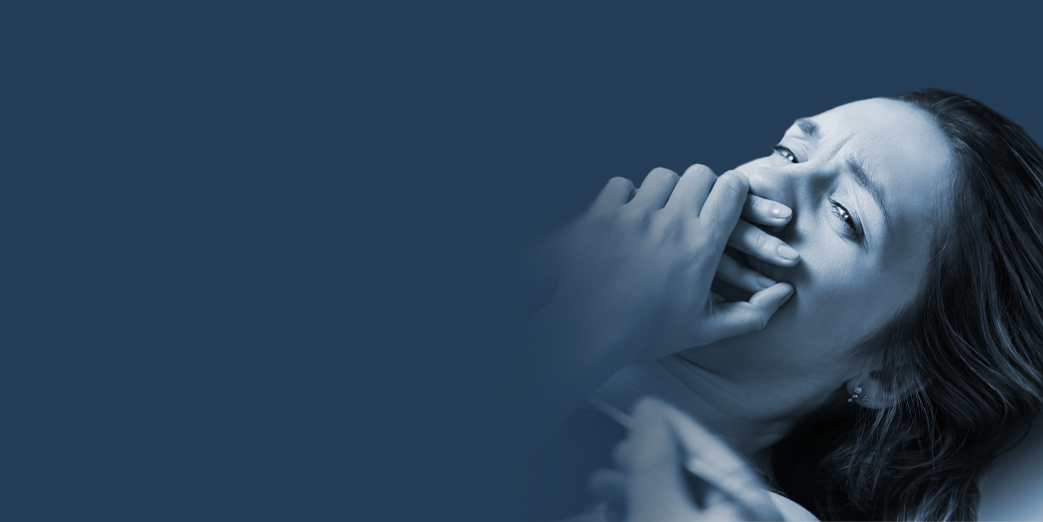
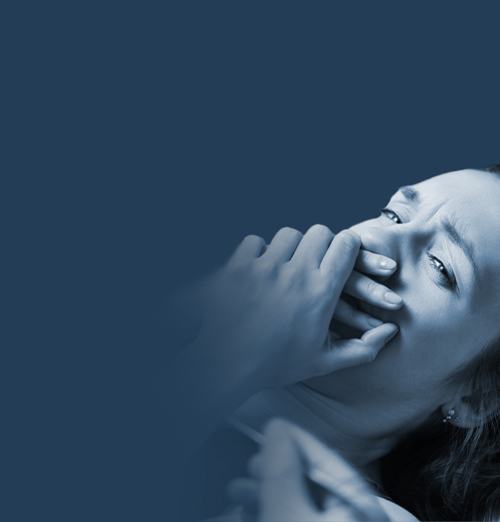
EXPERIENCES It only takes a single negative or painful experience to set in motion a lasting phobic response.
TYPES OF DENTAL PHOBIA
Sometimes it’s not the overall experience of visiting a dentist that triggers a phobia but a single aspect of treatment. Phobias commonly associated with dental treatment include:


SYMPTOMS OF DENTAL PHOBIA
The symptoms of dental phobia vary from patient to patient. Sufferers will commonly experience one or more of the following symptoms:



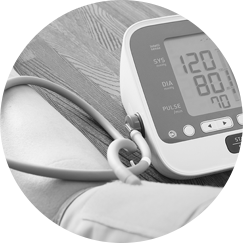
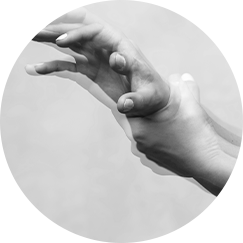
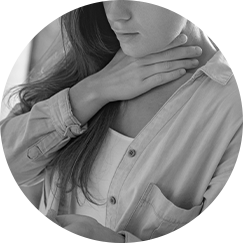

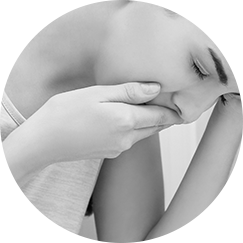
CONSEQUENCES OF DENTAL PHOBIA
As serious as the symptoms of dental phobia can be, most pale in comparison to the consequences of avoiding dental treatment altogether. In one of the worst recorded cases, eight-year-old Sophie Walker from Cornwall developed a phobia so severe that she refused to open her mouth to eat and eventually died from starvation.
While hers is an extreme case, Sophie’s story is an example of the powerful sway phobias can hold over sufferers. Every dentist will have a story about a patient who attempted self-treatment rather than brave a visit to the dentist. The media is also full of tales of those who have tried DIY dentistry like securing loose teeth with superglue.
But patients don’t have to treat themselves to cause problems - neglect alone is enough to kickstart a host of debilitating conditions.
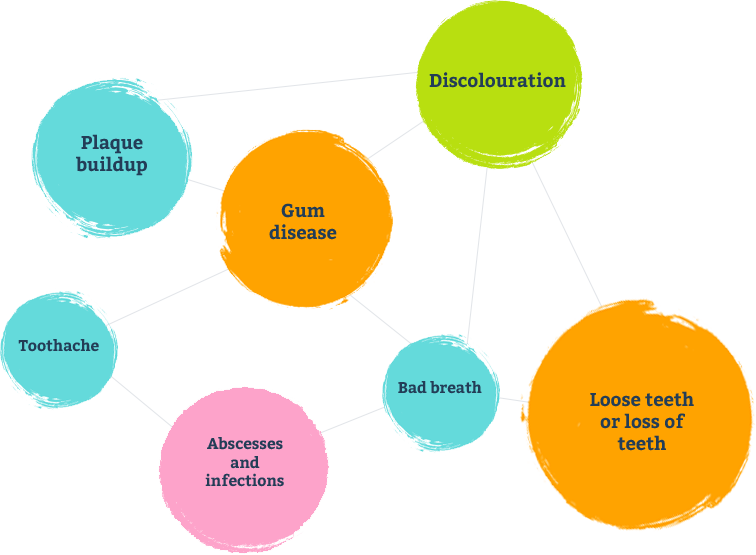 Unfortunately, it’s often only after suffering from one or more of these conditions that dental-phobics choose to face their fears and finally seek help.

Dealing with Dental Phobia
For each story about a phobic who avoided treatment, dentists will have several more about patients who were able to overcome their fears and get the help they needed. It is compelling proof that phobias can be beaten.
Here are just a few of the strategies you can use to tackle your fear and begin building the courage to seek treatment.

Understand
Your Fear
Take some time to look through the list of dental-related phobias above. Which of them applies to you? Now think about why the thought of visiting the dentist fills you with dread. Understanding the nature and source of your phobia is the first step towards beating it. The information can also be useful when planning phobia-free treatment with your dentist.

Find the Right
Dentist
It’s essential that your dentist understands your concern and does not try to trivialise your fears. Many dentists are now trained to deal with phobic patients and can provide services like gentle sedation to help make you feel more at ease. You can use our dentist finder to search for a phobia-certified dentist in your area.
> Search for a dental phobia dentist
Communicate
Talk to your dentist about your fears. If you are afraid of needles, your dentist may be able to offer an alternative way of delivering your anaesthetic. You could also discuss using a hand signal to let them know when you feel particularly anxious, or you need to take a break.

Distract
Yourself
Lots of clinics now offer DVDs or music to keep you occupied during treatment. If yours doesn’t, consider bringing a relaxing playlist. You could also bring a puzzle to solve or invite a friend along to talk to and provide moral support.

Seek Help
If your phobia is particularly deep-rooted, it may be worthwhile speaking to a professional counsellor who has professional experience dealing with phobias. You may also find practices such as meditation and mindfulness to be effective strategies.

Reward Yourself
The promise of a reward after treatment can make everything seem worthwhile and help rebuild positive associations.
Latest News

Health experts fear mouth cancer cases could be missed due to appointment shortages
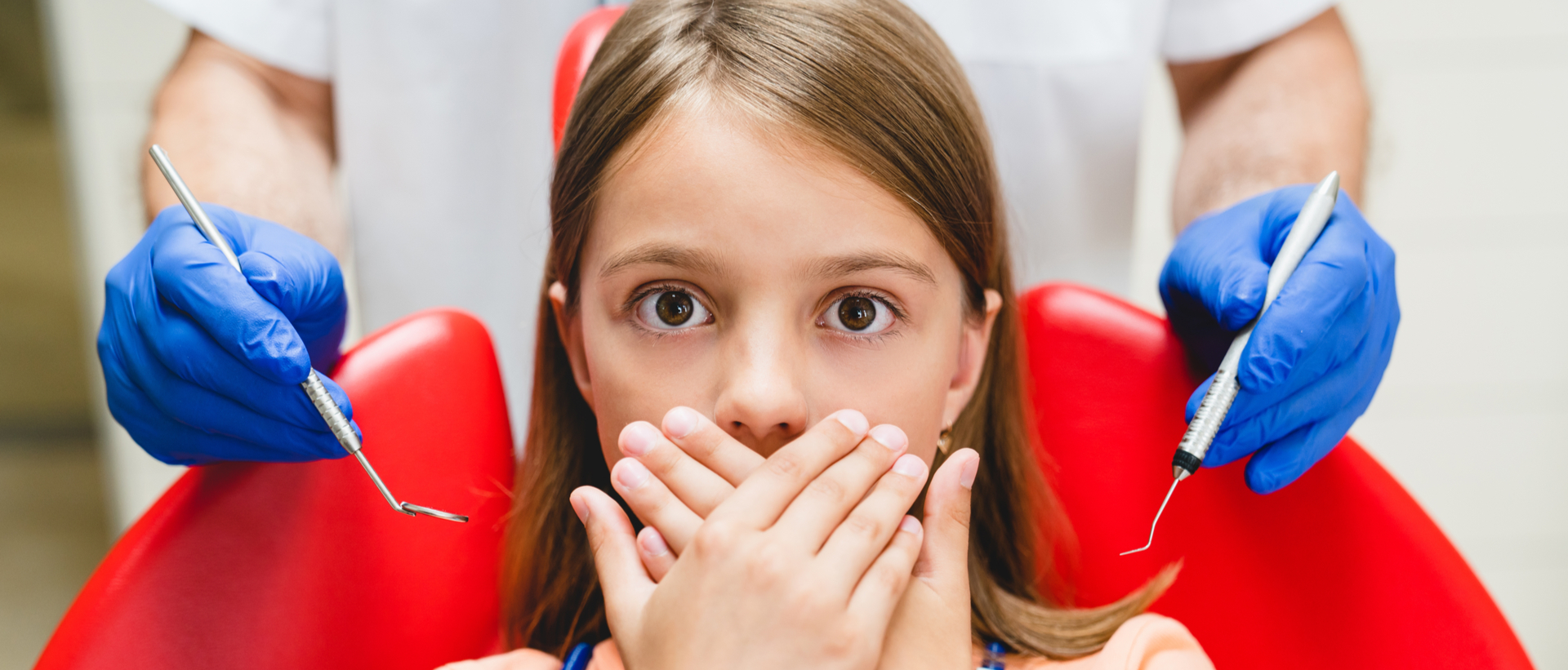
Parents are putting their children’s dental health at risk in Australia due to dental fear